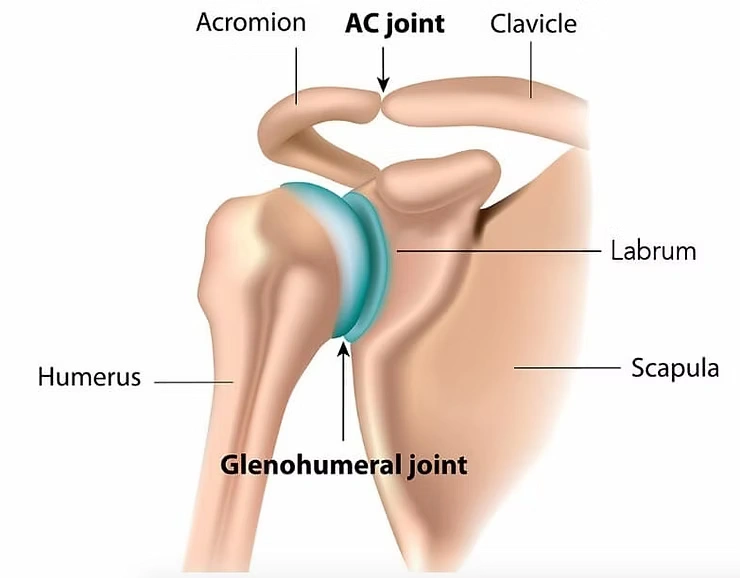
Let’s face it—injuries are frustrating. Whether it’s a nagging shoulder that won’t let you lift your arm properly or a rolled ankle that makes every step feel like a chore, pain gets in the way of life. Two of the most common injuries we treat at Global Health Physiotherapy are rotator cuff tendonitis and ankle sprains, and while they happen in totally different places, they often come with similar struggles: swelling, discomfort, and a slow return to normal.
The good news? The right recovery strategies can make a big difference. And here’s the better news: many of the same approaches work for both injuries.
Let’s walk through what makes each injury unique—and how to heal smarter, faster, and with fewer setbacks.
Shoulder vs. Ankle: A Quick Look
Here’s a simple breakdown of what we’re dealing with:
| Aspect | Rotator Cuff Tendonitis | Ankle Sprain |
| Area Affected | Shoulder tendons (rotator cuff) | Ligaments around the ankle joint |
| Common Cause | Repetitive overhead movement or poor posture | Sudden twist, fall, or misstep |
| Pain Feels Like | Achy, sharp when reaching or lifting | Sharp, often throbbing, worse when putting weight on it |
| Visible Signs | Possibly none, sometimes mild inflammation | Swelling, bruising, difficulty bearing weight |
| Recovery Time | A few weeks to a few months | Days to weeks, depending on severity |
| Who It Affects Most | Athletes, manual labourers, and desk workers | Athletes, hikers, runners, and weekend warriors |
What They Have in Common (Surprisingly a Lot)
Both injuries limit your movement, affect your quality of life, and take time to heal. And when not treated properly, they can lead to chronic issues down the line. Whether it’s lifting your kid or getting back to your morning jog, the goal is the same: get back to full function safely and effectively.
Let’s dive into what works.
1. Rest Isn’t Laziness—It’s Strategy
We often hear people say, “It’s not that bad—I’ll just work through it.” But ignoring an injury almost always leads to delayed healing or worse, reinjury.
With rotator cuff tendonitis and ankle sprain recovery, rest is part of the plan. That doesn’t mean doing nothing forever—it means giving your body a chance to settle inflammation and start healing.
What to do:
- Avoid activities that trigger pain.
- Use a sling (for the shoulder) or an ankle brace (for a sprain) if needed.
- Keep moving the rest of your body, just not the injured area.
2. Ice, Elevate, Repeat
You’ve probably heard this one before—but it works. Cold therapy helps reduce inflammation and pain in both shoulders and ankles.
For your shoulder: Apply an ice pack for 15–20 minutes, especially after activity.
For your ankle: Ice and elevate it above heart level—that combo works wonders in the first 48 hours.
3. Start with Gentle Movements
As soon as the pain calms down a bit, it’s time to get things moving. Early movement (done right) prevents stiffness, maintains joint health, and sets the stage for strength-building.
| Gentle Movement Ideas | Rotator Cuff Tendonitis | Ankle Sprain Recovery |
| Pendulum swings (arm dangle) | Loosens the shoulder without pressure | Not applicable |
| Wall walks/slides | Builds range of motion overhead | Not applicable |
| Ankle ABCs (draw alphabet) | Not applicable | Keeps the joint mobile in every direction |
| Seated ankle circles | Not applicable | Reduces stiffness and supports balance later on |
These tiny movements may seem simple, but they’re powerful in rebuilding motion and control.
4. Rebuild Strength (Slow and Steady)
This is where real progress happens—but it’s also where people tend to rush and reinjure themselves. Be smart: start light, stay consistent, and avoid anything that causes pain.
Rotator Cuff Tendonitis:
- Use resistance bands for light external rotations
- Focus on posture and shoulder blade control
Ankle Sprain Recovery:
- Begin with calf raises and towel scrunches
- Use wobble boards or balance exercises to improve stability
- Add resistance bands to work side-to-side movement safely
At Global Health Physiotherapy, we guide you through these stages step-by-step, so you’re not guessing what’s “safe” and what’s too much.
5. Prevention is Recovery Too
Once you’re on the mend, your next goal is staying injury-free. For both shoulders and ankles, this means strengthening the muscles and improving flexibility long-term.
| Prevention Focus | Shoulder (Rotator Cuff) | Ankle (Sprains) |
| Posture correction | Keeps shoulder blades aligned and stress-free | Not as crucial, but good posture never hurts |
| Strength training | Builds up rotator cuff support muscles | Reinforces ankle stability |
| Warm-ups before the activity | Reduces strain from sudden motions | Prepares ligaments for movement and impact |
| Balance and proprioception | Bonus, especially for athletes | Crucial for retraining your foot and ankle reflexes |
When to Get Help
Pain lasting more than a few days? Swelling that won’t go down? Movement that feels weak or unstable?
It’s time to check in with a pro. At Global Health Physiotherapy, we don’t just help you get better—we help you understand your body and prevent future injuries. Our custom recovery plans are designed to fit your lifestyle, your injury, and your goals.
Final Thoughts
Whether you’re dealing with rotator cuff tendonitis or deep in the middle of ankle sprain recovery, the process can feel slow and sometimes discouraging. But with the right care, patience, and smart movement, you will bounce back—and possibly come back stronger than before.
Injuries happen. But they don’t have to define your next steps.
At Global Health Physiotherapy, we’re here to support your recovery—every step, stretch, and rep of the way. If you’re ready to move better, feel stronger, and ditch the pain, book your personalized assessment today.
Let’s get you back to doing what you love.
Global Health Physiotherapy – Move better. Live better.