
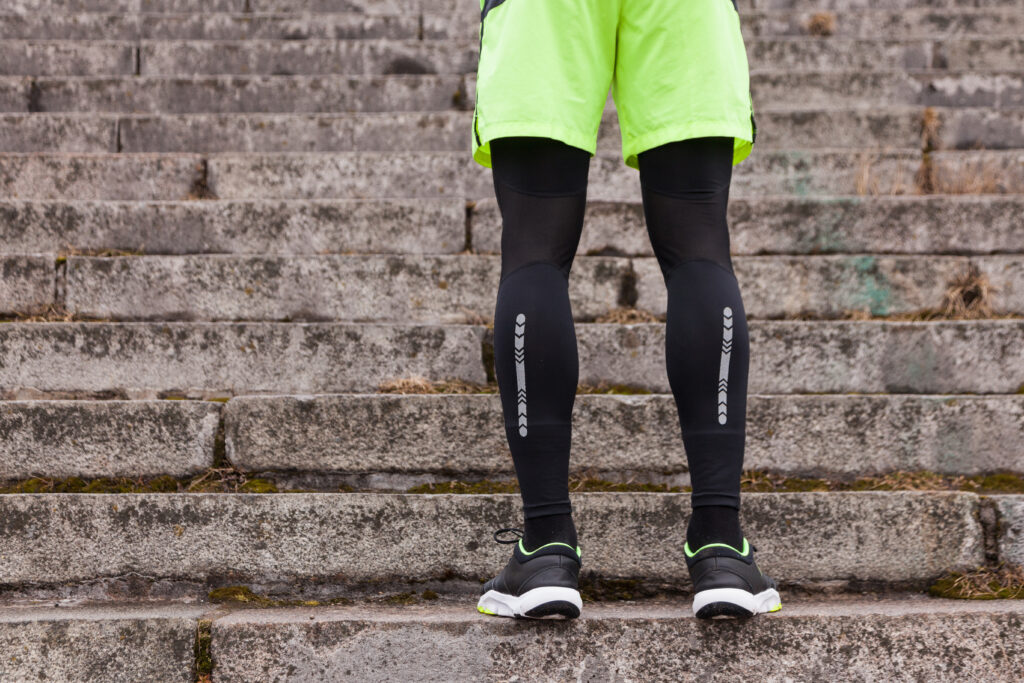
Compression socks help with circulation and lower the risk of getting deep vein thrombosis (DVT) and blood clots. Improving the blood flow in your legs reduces pain and swelling, which is one of the reasons why doctors prescribe them.
Choose from a wide selection of medical-grade compression socks and stockings that are used to prevent medical conditions associated with circulation issues. There are different levels of compression, different sizes and colours. We can provide you with what you need per your doctor’s prescription.
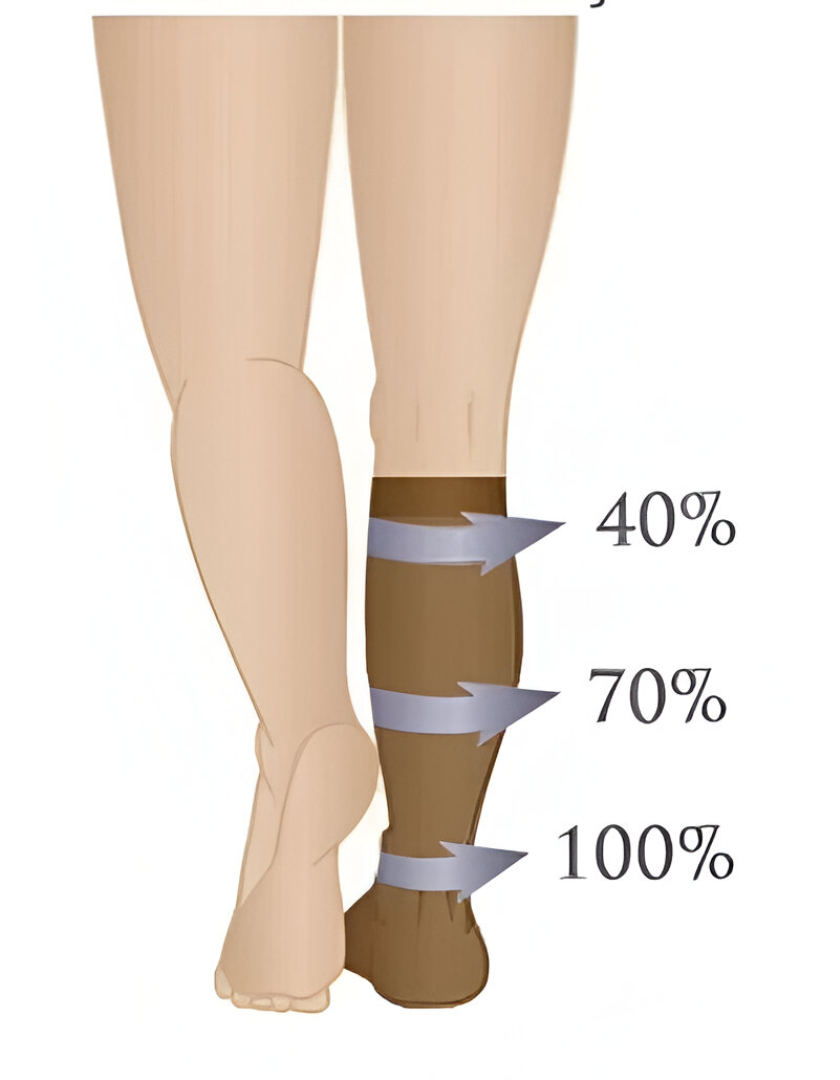
Compression socks are made of stretchy material that makes blood flow easier by applying mild compression to the area. The highest area of compression begins at the ankle and moves up the leg gradually reducing the level of compression.
Depending on the size of your compression stocking, it could stretch up your calf and end just below the knees or stretch up past the knees to the thighs. There is no compression in the stockings from the toes to the heel of the foot.
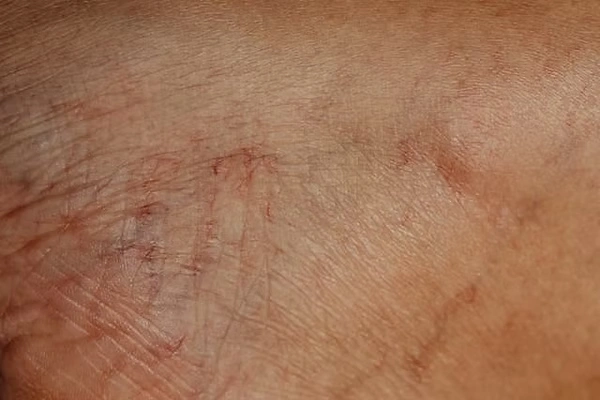
The muscles in the body contract and relax to assist the veins in pumping blood back to your heart. Whenever there are inefficiencies in keeping the blood moving, there are risks to blood pooling. This can lead to a number of conditions including varicose veins or deep vein thrombosis (which is a type of blood clot).
For this reason, compressions socks have become popular for assisting blood flow and are commonly worn in the following circumstances:
If a person is bedridden (after surgery) the risk of developing a blood clot increases since the blood circulation is reduced. Compression socks are usually prescribed while there is a high level of inactivity.
Women who are pregnant are often prescribed compression stockings to improve circulation and prevent varicose veins.
With improved circulation, the chance of developing varicose veins is reduced.
Deep Vein Thrombosis is a type of blood clot that can develop from poor circulation. In some situations, the blood clot can travel to the lungs and cause serious complications
If someone has already had DVT compression stockings can help with pain management.
There is some speculation among athletes that a compression sleeve can improve their athletic performance. There is no concrete science to prove this is true but its use among athletes is still managing to grow in popularity.
People who stand all day at work and those who have long shifts in the same position (pilots for example) can all benefit from a compression sock. Inactivity leads to poor circulation, which increases the likelihood of pooling blood.
Yes. To get the right type of compression sock you need to be assessed and measured by a doctor. You can receive a prescription from your family physician or a chiropodist. Morning appointments are recommended because it’s the best time to have your legs measured.
OHIP does not cover the cost of compression stockings for DVT, varicose veins, or blood clots. If you require a prescribed level of compression for your condition you may be covered under third-party insurance or employee benefits. Contact your provider to check your coverage.
People with poor circulation, varicose veins, DVT, leg swelling, or those recovering from surgery can benefit from medical compression stockings, as recommended by doctors in Toronto.
Yes, Global Health Physiotherapy Clinic offers medical-grade compression stockings based on your doctor’s prescription, ensuring the right size, fit, and compression level for your condition.
While OHIP doesn’t cover compression stockings, many private insurance plans and employee benefits may offer coverage. Always check with your provider for eligibility and reimbursement.
Compression stockings gently squeeze the legs, starting from the ankles, promoting blood flow upwards and reducing risks of clotting, pain, or swelling caused by poor circulation.

Global Health Physiotherapy Clinic – Expert physiotherapy and rehabilitation in Toronto. Insurance-approved care for orthopaedic, neurological, geriatric, and sports injuries.
Contact Us
Follow us :
Quick Links
Services